
AI-Powered Personalization: From Hype to Must-Have for 2026 Customer Retention
Exploring how AI has shifted from experimental to essential for tailoring content and experiences, boosting ROI through real-time data analysis.
Introduction: What is AI-powered personalization and how does it boost customer retention?
In 2026, 71% of consumers expect personalized experiences from brands—and 76% get frustrated when it’s not delivered. Yet, despite 92% of businesses leveraging AI-driven personalization tactics, only 35% offer truly omnichannel experiences. Is your marketing strategy equipped to meet this demand, or are you risking customer churn in an increasingly competitive landscape?
AI-powered personalization has evolved dramatically from its early days as a novel gimmick—think basic product recommendations on e-commerce sites—to a sophisticated, data-driven powerhouse that’s now essential for customer retention. Powered by advancements in machine learning, predictive analytics, and real-time data processing, AI enables brands to create hyper-relevant interactions that feel intuitive and human-like. This shift isn’t just about boosting short-term sales; it’s about fostering long-term loyalty in a world where consumers ignore 81% of irrelevant marketing messages but are 96% more likely to purchase from brands that personalize effectively.
This article dives into why AI has transitioned from hype to a must-have for 2026 customer retention, exploring key trends, practical implementation tips, and real-world success stories. Whether you’re a small business owner or a marketing leader, you’ll walk away with actionable strategies to harness AI without overwhelming your resources.
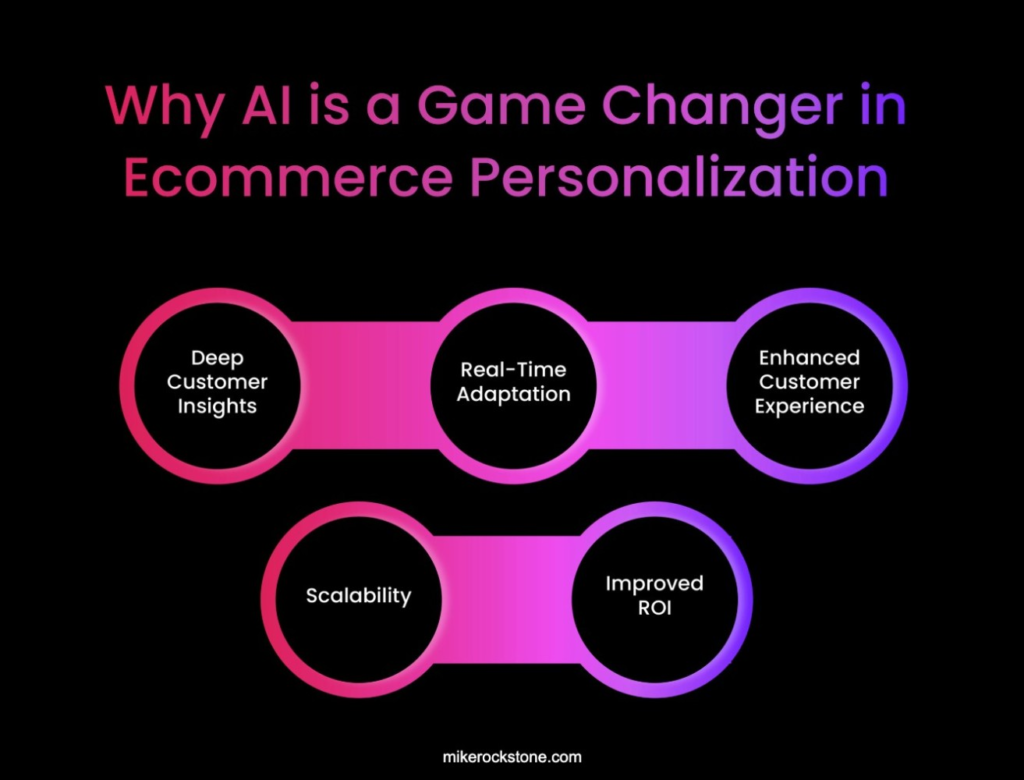
The Shift from Hype to Reality: Key Trends in 2026
What was once dismissed as overhyped tech—AI promising “mind-reading” personalization—is now a proven reality reshaping customer journeys. In 2026, AI isn’t just assisting marketers; it’s becoming the copilot for retention strategies, analyzing vast datasets to deliver experiences that anticipate needs and build loyalty. Here’s a breakdown of the pivotal trends driving this evolution.
Trend 1: Real-Time Adaptation for Reduced Churn
AI now processes customer behavior instantaneously, from browsing patterns to purchase history, enabling dynamic adjustments that can slash churn rates. For instance, predictive models spot “gaps in customer retention cycles” and recommend timely interventions like personalized offers or reminders. Studies show that improving retention by just 5% can boost profits by 25-95%, making real-time AI a game-changer for businesses facing rising customer acquisition costs. This trend moves beyond reactive marketing, turning potential drop-offs into repeat engagements.
Trend 2: Hyper-Personalization at Scale
Gone are the days of broad segmentation; AI enables “audience-of-one” experiences, where messaging feels handcrafted for individuals. Using zero-party data (like preferences shared via quizzes) and predictive intent, brands can orchestrate one-to-one communications across channels. Retail leaders predict this will redefine shopping, with AI proactively guiding consumers through complex decisions. The result? Higher lifetime value, with omnichannel customers spending 30% more than single-channel shoppers.
Trend 3: Ethical AI and Privacy in Focus
As personalization deepens, so does the need for trust. With regulations like GDPR emphasizing transparent data use, brands must balance innovation with ethics to avoid “AI fatigue” or backlash. In 2026, owned data identification becomes the cornerstone of cross-channel strategies, ensuring compliance while delivering value. Consumers are savvy—73% expect better personalization as tech advances, but 90% demand more than they’re currently getting, prioritizing brands that respect privacy.
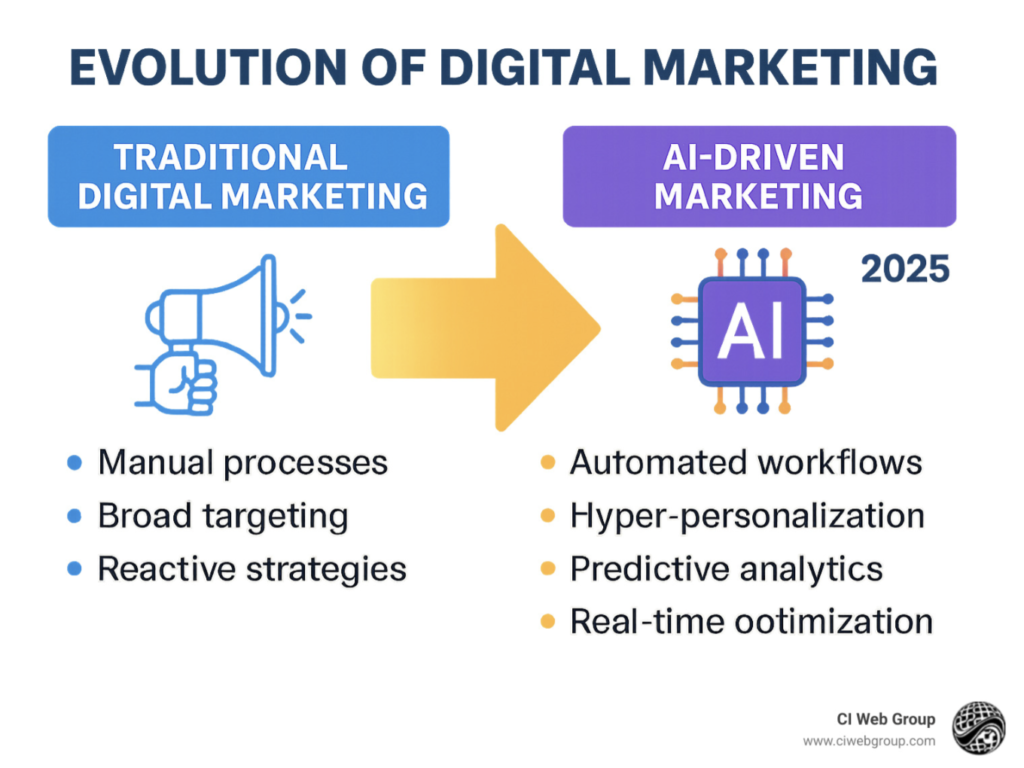
Supporting these trends, AI-driven tactics like personalized emails and recommendations have shown remarkable impact: 77% of consumers are more likely to buy from brands offering relevant suggestions, while 47% of companies report AI improving accuracy in retention efforts.
What’s one AI tool you’ve tried for personalization? Share in the comments!
Practical Tips for Implementation
Ready to put AI personalization into action? The good news is you don’t need a massive budget or tech team to start seeing results. Focus on scalable, low-barrier strategies that align with your business goals. Here’s how to get started step by step.
Tip 1: Start Small with Email Sequences
Begin with automated email flows using tools like Klaviyo or HubSpot, which integrate AI for contextual messaging based on user actions. For example, trigger a “welcome back” sequence for lapsed customers, personalizing content with past purchases. This can increase open rates and reduce churn—44% of companies note AI boosts real-time speed and retention. Pro tip: Use A/B testing to refine sequences, ensuring they feel genuine rather than automated.
Tip 2: Leverage Machine Learning for Content and Recommendations
Incorporate platforms like Google Analytics 4 or Adobe Sensei to dynamically recommend products or content on your site. Analyze intent signals (e.g., search queries) to serve tailored experiences, such as customized landing pages. For e-commerce, this can drive 77% higher purchase likelihood through relevant suggestions. Avoid overload by starting with one channel, like your homepage, and expand as data accumulates.
Tip 3: Measure, Iterate, and Avoid Pitfalls
Track key metrics like retention rate, engagement score, and churn reduction using built-in AI dashboards. Set up first-party data systems to comply with privacy laws, and always blend AI with human oversight for authenticity—over-personalization can feel intrusive. Budget-friendly options include free tiers of Google Optimize for testing or open-source libraries for custom tweaks. Common pitfalls? Ignoring data quality; invest in clean, zero-party sources for accurate predictions.
By implementing these tips, small businesses can achieve 20-30% gains in retention, mirroring enterprise results without the complexity.
Case Studies: Real-World Success Stories
AI personalization isn’t theoretical—it’s delivering tangible ROI across industries. Here are two standout examples.
Example 1: Amazon’s E-commerce Dominance
Amazon’s AI recommendation engine, powered by collaborative filtering and predictive analytics, generates 35% of its sales through personalized suggestions like “customers who bought this also bought.” By analyzing vast consumer data, it creates seamless, anticipatory experiences that boost repeat purchases and loyalty. This approach has set the benchmark for hyper-personalization at scale.
Example 2: Small Business Win with Yves Rocher
Cosmetics brand Yves Rocher, a mid-sized retailer, integrated AI for real-time product recommendations, resulting in an 11x increase in purchase rates compared to generic top-seller displays. For smaller operations, this highlights how accessible AI tools can transform customer journeys, driving higher engagement and retention without massive infrastructure.
These cases prove AI’s accessibility: From giants like Amazon to agile players like Yves Rocher, the key is starting with data-driven personalization to foster lasting relationships.
Conclusion and Call-to-Action
In summary, AI-powered personalization has firmly shifted from hype to a 2026 essential for customer retention, enabling real-time adaptation, hyper-scaled experiences, and ethical data use that can lift profits by 25-95% through modest retention gains. As consumers demand more—90% wanting enhanced personalization—brands that adapt will thrive, while laggards risk irrelevance.
As AI continues to evolve, businesses embracing it as a copilot will unlock unprecedented loyalty. Ready to personalize? Download my free checklist on AI implementation. What AI strategies are you planning for 2026? Let’s discuss below! Follow for more tips on online marketing trends.